Emergency damp-damaged waste removal in Erith areas
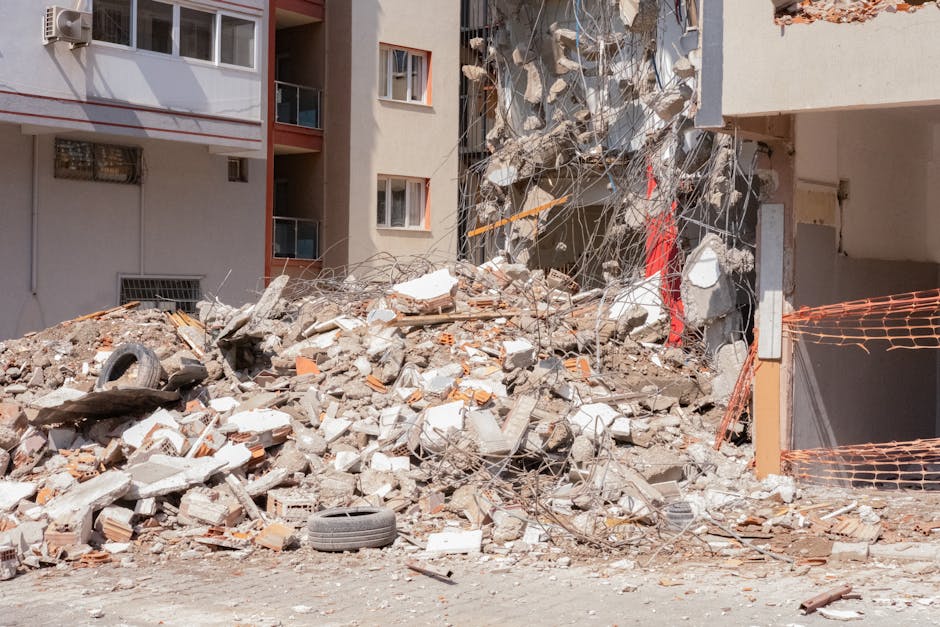
If you've walked into a room and found that unmistakable damp smell, soggy boxes, warped furniture, or blackened waste bags that have been sitting too long, you already know this is not a "deal with it next weekend" problem. Emergency damp-damaged waste removal in Erith areas is about getting ruined items out quickly, safely, and in a way that stops the mess from spreading further.
In practice, that might mean a flooded flat, a leaking loft, a garage with waterlogged clutter, or a shop stockroom where damp has turned ordinary waste into a heavier, messier, more hazardous job. The aim is simple: remove the damaged waste fast, reduce odour and contamination, and make the space usable again. This guide explains how the process works, what to expect, and how to avoid the common mistakes that make a bad situation worse.
To be fair, when damp takes hold, the clock starts ticking. The longer wet waste sits there, the more likely you are to face mould, staining, pests, and that slow creeping feeling that the whole room is going off. Not pleasant. But manageable.
- Why it matters
- How the service works
- Key benefits
- Who needs it
- Step-by-step guidance
- Expert tips
- Common mistakes
- Tools and recommendations
- Compliance and best practice
- Options and comparison
- Real-world example
- Practical checklist
- Conclusion
- Frequently asked questions
Why Emergency damp-damaged waste removal in Erith areas Matters
Damp-damaged waste is not the same as normal household junk. Once cardboard, soft furnishings, plasterboard offcuts, clothes, paper files, carpets, or wooden items have soaked up moisture, they can become heavier, smell worse, and degrade quickly. In some cases they may also carry mould spores or bacterial contamination. That changes the job from simple clearance to something that needs more care.
In Erith areas, where properties range from flats and terraces to older buildings, loft spaces, garages, and commercial units, damp can come from many places: a roof leak, condensation, burst pipes, a backed-up drain, or water entering during heavy rain. You don't need a dramatic flood for damage to build up. Sometimes a slow leak is worse because it stays hidden until the smell gives it away.
Why does this matter so much? Because ruined waste left in place can:
- spread mould into nearby belongings and surfaces
- attract flies, rodents, and other pests
- make rooms unsafe or unpleasant to use
- slow down insurance, repair, or reinstatement work
- create extra lifting hazards due to weight and water retention
There is also a mental side to it. People often underestimate how stressful a damp clearance is until they are standing in a wet room, surrounded by ruined items, wondering where to begin. A fast, organised waste removal step can be the difference between "we can get this sorted" and "this is getting out of hand".
Key takeaway: damp-damaged waste should be treated as time-sensitive because the damage, smell, and contamination risk usually get worse, not better, if you leave it.
Table of Contents
- Why Emergency damp-damaged waste removal in Erith areas Matters
- How Emergency damp-damaged waste removal in Erith areas Works
- Key Benefits and Practical Advantages
- Who This Is For and When It Makes Sense
- Step-by-Step Guidance
- Expert Tips for Better Results
- Common Mistakes to Avoid
- Tools, Resources and Recommendations
- Law, Compliance, Standards, or Best Practice
- Options, Methods, or Comparison Table
- Case Study or Real-World Example
- Practical Checklist
- Conclusion
- Frequently Asked Questions
How Emergency damp-damaged waste removal in Erith areas Works
The best emergency damp-damaged clearance is usually straightforward for the customer, even if the situation itself is messy. Most of the work happens behind the scenes: assessing the waste, planning the removal route, handling the loads safely, and disposing of items properly.
A typical visit starts with a quick look at what needs to go. This may be done from photos, a phone call, or an in-person visit depending on urgency. The point is to identify what is wet, what can be lifted safely, and whether anything needs special handling. A pile of soaked furniture, for example, behaves very differently from a few damp boxes in a hallway. Let's face it, waterlogged items have a habit of becoming awkward at the worst possible moment.
Once the waste is assessed, the team will usually:
- separate damp-damaged waste from items that can still be saved
- prepare protective equipment and lifting methods
- remove the waste carefully to avoid further spread of dirt or mould
- load and transport the waste in a suitable vehicle
- send recoverable materials through the right disposal or recycling routes where possible
In homes, the process is often about clearing a bedroom, loft, garage, cellar, or living room after a leak. In businesses, it may involve office papers, storage stock, fixtures, packaging, or damaged furniture. If the waste sits alongside other clearance needs, it can be sensible to combine the job with general waste removal, or, for bulkier items, support services such as furniture disposal and furniture clearance.
Some jobs are small and tidy. Others are wet, awkward, and a bit grim. That is simply the reality. A decent clearance team should be prepared for both.
Key Benefits and Practical Advantages
Emergency clearance after damp damage is not just about removing rubbish. It is about reducing risk and helping the property move back toward normal as quickly as possible.
1. Faster recovery
When waste is removed promptly, the room can begin drying properly. Drying is hard when there are piles of wet cardboard or soaked furniture blocking airflow.
2. Lower contamination risk
Mouldy waste, wet textiles, and contaminated packaging can spread odour and spores. Clearing them out reduces the chance of nearby items being affected too.
3. Easier inspection and repairs
Builders, plumbers, insurers, and surveyors can work better when they can see the floor, walls, and affected areas clearly. A messy room tends to hide the real problem.
4. Safer lifting and handling
Waterlogged items are heavier than they look. Anyone who has tried to lift a soaked sofa knows the awkward silence that follows halfway down the stairs. Not fun.
5. Better smell control
Damp waste often produces a stale, sour smell that seeps through a property. Removing the source is usually the first meaningful step.
6. Less stress for occupants
People coping with leaks, insurance calls, or tenant issues already have enough to deal with. Having the waste handled quickly removes one major pressure point.
If you are a landlord, tenant, homeowner, or business owner, those benefits add up fast. And if the damage is in a shared building or flat, prompt action also helps keep neighbours happier. Nobody wants that smell travelling through a hallway at 8am.
Who This Is For and When It Makes Sense
This service makes sense for anyone dealing with damp-ruined waste that cannot wait. The most common situations include:
- homeowners dealing with leaks, burst pipes, or roof ingress
- tenants who need to clear damaged items before a landlord inspection
- landlords and letting agents managing voids after water damage
- shop owners, office managers, and storage unit users with contaminated stock or archive waste
- builders and contractors clearing water-damaged materials after remedial work
- people clearing lofts, garages, or basements where damp has built up quietly over time
It also makes sense if the waste is bulky, smells strongly, or has gone soft and unstable. Once a mattress, rug, or stack of boxes starts collapsing under its own weight, you are often past the point where DIY clearance feels sensible.
There is a small but important distinction here: not everything damp should be treated as waste. Sometimes an item can be cleaned, dried, or restored. But if mould has set in, materials are decomposing, or the item has absorbed foul water, disposal may be the safer route. When in doubt, separate salvageable items from clear waste before anything goes out.
And if the job is part of a bigger clear-out, you may find it helpful to look at related services such as home clearance, house clearance, or flat clearance depending on the type of property involved.
Step-by-Step Guidance
If you are dealing with emergency damp-damaged waste right now, a calm order of operations helps. Don't overthink it. Start with the basics.
1. Make the area safe to enter
Check for obvious hazards first: slipping floors, loose ceiling material, exposed electrics, or water near sockets. If there is any doubt, keep out until the area has been made safe by the right professional.
2. Separate salvageable items from damaged waste
Move dry, clean, and recoverable belongings away from the affected zone. If something is only mildly damp, set it aside. If it is soaked through, growing mould, or smells sour, it is usually a disposal candidate.
3. Take a quick inventory
A short list or a few photos can help with quoting and planning. This is especially useful if the clearance is urgent or if the waste is mixed with furniture, electricals, or archive materials.
4. Improve ventilation if it is safe to do so
Open windows where possible and keep the air moving. This will not fix the problem, obviously, but it can reduce the odour and support the drying process while the waste is awaiting removal.
5. Book the clearance
For emergency jobs, explain what got wet, how long it has been there, and whether access is awkward. A loft with a narrow hatch, for example, needs a different plan than a ground-floor garage.
6. Let the removal team handle the lifting
Once on site, the team should remove waste with appropriate care, especially if there is mould, staining, or collapsed materials. This is where experience matters. The lifting is only one part of the job; avoiding contamination is the bigger one.
7. Follow up with drying and repairs
After waste removal, the property still needs to dry and be assessed. In many cases, the next sensible step is to address the source of the damp, then check whether surrounding surfaces need cleaning or repair.
That sequence matters. Clear first, then dry, then repair. Or at least some version of that. Skipping straight to decorating is a classic mistake, and yes, it nearly always comes back to bite.
Expert Tips for Better Results
Over time, a few habits make damp-damaged waste removal smoother, safer, and less expensive in the long run.
- Act early. A pile of damp waste left for two days is much easier to deal with than the same pile left for two weeks.
- Keep damaged and undamaged items separate. Cross-contamination is annoying and avoidable.
- Photograph the damage before moving anything. This can help with insurance records or landlord discussions.
- Warn the clearance team about odour, mould, or restricted access. It helps them prepare properly.
- Think about weight, not just volume. Wet waste is deceptive. A small load can be surprisingly heavy.
- Use the clearance as a reset point. Once the waste is gone, it is easier to inspect walls, floors, and hidden corners.
One practical tip people often miss: keep a small "save" pile in a separate dry room or sealed area. It is much easier to sort belongings when you are not stepping around soaked boxes and trying to remember what was where. In a crisis, a bit of order goes a long way.
If the job includes other items beyond the damp waste, you might also benefit from services like garage clearance, loft clearance, or builders waste clearance where the property has been affected by repair work as well.
Common Mistakes to Avoid
People tend to make the same few errors when they are under pressure. Fair enough, it happens. But if you can avoid these, the job gets easier.
- Leaving damp waste in place "until the weekend". That usually means more smell, more mould, and more clean-up later.
- Trying to carry heavy soaked items alone. A wet mattress or furniture item can strain backs and damage stairs or walls.
- Mixing wet waste with dry salvage. Once everything is piled together, the sorting gets miserable.
- Ignoring hidden damp. A room can look better while still holding moisture behind furniture or under flooring.
- Painting or decorating too soon. If the source of damp has not been resolved, the finish will likely fail.
- Forgetting about odour in soft furnishings. Some items look "fine" but still carry a nasty smell that lingers.
One more small one: don't assume every clearance team understands water damage. You want someone who appreciates the difference between a normal rubbish collection and damp-contaminated waste that needs a more careful approach.
Tools, Resources and Recommendations
You do not need a shed full of specialist kit to get started, but a few basic items can help while waiting for removal.
| Item | Why it helps | Best use |
|---|---|---|
| Heavy-duty gloves | Protects hands from grime and mould | Handling damaged bags, cardboard, and debris |
| Face covering | Helps reduce contact with dust and spores | Short-term handling in visibly mouldy areas |
| Strong bin bags | Useful for smaller contaminated waste | Loose damp items, not heavy waterlogged loads |
| Camera or phone | Records damage for planning or records | Before clearance begins |
| Torch | Helps inspect corners, lofts, and under-furniture areas | Low-light spaces and hidden leak zones |
As for service recommendations, choose a provider that is clear about access, loading, insurance, and what happens to the waste afterwards. That matters more than flashy promises. You want a team that takes the job seriously, not one that sounds busy and disappears after lunch.
If you are comparing providers, the pages on pricing and quotes, insurance and safety, and recycling and sustainability are useful checkpoints for understanding how a responsible clearance company should operate.
Law, Compliance, Standards, or Best Practice
Whenever waste may be contaminated by moisture, mould, or foul water, best practice becomes more important. In the UK, waste needs to be handled and disposed of responsibly, and that means following the right environmental and health-and-safety approach rather than simply "getting it gone".
For households, that usually means keeping damaged waste separate from recoverable items, using proper collection services, and avoiding unsafe manual handling. For businesses, the expectations are higher because there may also be storage records, staff safety duties, insurance implications, and landlord or lease requirements to consider. If files, stock, or office contents are involved, a job may overlap with business waste removal or office clearance.
Good practice usually includes:
- wearing suitable protective equipment where contamination is visible
- keeping the route clear to reduce slip and trip hazards
- sorting waste so recyclable or reusable items are not accidentally mixed in
- using a team that knows how to handle awkward, damp, or odorous loads
- keeping records if the clearance forms part of an insurance or business recovery process
There may also be practical obligations around fire safety, access, and building management in flats or commercial premises. Not everything needs to become a legal debate, thankfully, but a little care upfront saves headaches later.
Options, Methods, or Comparison Table
There are a few ways people try to handle damp-damaged waste. Some are sensible. Some are, well, optimistic.
| Method | Best for | Pros | Limits |
|---|---|---|---|
| DIY bagging and local disposal | Very small amounts of non-hazardous damp waste | Low direct cost, quick if the load is tiny | Heavy lifting, contamination, limited capacity |
| Scheduled general clearance | Non-urgent damp waste mixed with other items | Good for wider tidying and room resets | May not suit active leak situations |
| Emergency damp-damaged waste removal | Urgent, smelly, bulky, or contaminated loads | Fast response, safer handling, less disruption | May cost more than routine clearance |
For many Erith properties, emergency removal is the best option when the waste is already affecting the liveability of the space. If the room smells strongly, access is awkward, or the waste is too heavy to manage safely, the quicker route is often the smarter one.
Case Study or Real-World Example
Picture a small ground-floor flat in Erith after a slow plumbing leak behind a kitchen wall. By the time the problem is noticed, a stack of cardboard boxes has gone soft, a folded rug has started to smell musty, and a couple of old chairs in the corner are clearly past saving. Nothing dramatic on its own. But put together, it becomes a room you do not really want to spend time in.
The first sensible step is not to move everything around randomly. It is to sort what can be saved from what is clearly waste, keep the area ventilated, and arrange rapid clearance. In this kind of situation, the damaged items are usually removed first so the space can dry properly. The route in and out is kept as clean as possible, and the remaining belongings are left where they can be checked later.
That is the part people often underestimate. The clearance is not just an end point. It creates the conditions for the next step: drying, cleaning, and repair. Once the heavy, damp waste is gone, the room suddenly feels more workable. The air changes. The job feels less impossible. That matters, especially when you are already juggling calls, repairs, and maybe a bit of frustration too.
For mixed property jobs, the same logic applies in lofts, garages, and offices. If the damp hit stored items rather than living space, related services such as garage clearance and loft clearance can be useful parts of the solution.
Practical Checklist
Use this checklist before the removal team arrives. It keeps things simple.
- Identify where the damp started if you safely can
- Switch off or isolate unsafe electrics if needed
- Move people, pets, and dry belongings away from the area
- Take photos of the damaged waste and surrounding room
- Separate salvageable items from clear waste
- Open windows or improve ventilation where safe
- Make access clear for lifting and loading
- Note any stairs, narrow hallways, or parking limits
- Tell the provider if there is mould, smell, or water contamination
- Plan the follow-up drying or repair work after clearance
Quick reminder: if the waste is genuinely contaminated or the room is unsafe, do not push your luck. Leave the awkward lifting to people who do it all the time.
Get a free quote today and see how much you can save.
Conclusion
Emergency damp-damaged waste removal in Erith areas is really about regaining control. A leak, flood, or hidden patch of damp can turn ordinary household clutter into a heavy, odorous, contaminated mess faster than most people expect. The right removal approach clears the waste, reduces risk, and gives the property a proper chance to dry and recover.
If you remember only one thing, make it this: act early, keep damaged items separate, and do not try to heroically lift soaked rubbish on your own. It is usually heavier, smellier, and more stubborn than it looks. That is just how it goes.
With a careful plan and the right support, even a very awkward damp clearance can be turned into a manageable job. One step at a time. And once that wet waste is gone, the whole place feels different, honestly.
Frequently Asked Questions
What counts as damp-damaged waste?
Damp-damaged waste includes items that have been soaked, contaminated, mould-affected, or badly affected by leaks, condensation, or floodwater. Common examples are wet cardboard, soft furnishings, rugs, paper, damaged clothing, and ruined storage items.
Is emergency damp-damaged waste removal suitable for homes and businesses?
Yes. It is useful for homes, flats, offices, shops, storage rooms, garages, lofts, and other properties where damaged waste needs to be removed quickly and safely.
How quickly should damp waste be removed?
As quickly as possible, ideally before the smell, mould, or contamination spreads further. If the waste is actively affecting the room or the property is still drying, speed matters even more.
Can damp items be recycled?
Sometimes, but not always. It depends on the material, the level of contamination, and whether the item is still suitable for recycling. Heavily moulded or waterlogged items are often not recyclable in the usual sense.
Do I need to throw everything away after a leak?
No, not necessarily. Some items can be cleaned or dried if they were only lightly affected. The key is to separate salvageable items from clearly damaged waste before sorting anything for removal.
Is damp-damaged waste a health risk?
It can be. Visible mould, spoiled materials, and contamination can irritate breathing or make a room unpleasant and unsafe to work in. If you are unsure, avoid handling it directly and get guidance from a professional clearance team.
What should I do before the removal team arrives?
Take photos, separate anything you want to keep, improve ventilation if safe, and make access clear. If there are stairs, narrow passages, or parking issues, mention them early so the team can prepare.
How is damp-damaged waste different from normal rubbish removal?
It is usually heavier, smellier, and more likely to involve mould or contamination. That means more care is needed during handling, loading, and disposal.
Can you remove soaked furniture and mattresses?
Yes, in many cases. Soaked furniture, mattresses, and similar bulky items are common in damp-related clearances, especially after leaks or flood damage. They need careful handling because they can be very heavy.
What if the waste is in a loft or garage?
That is common too. Loft and garage spaces often hold old boxes, stored furniture, and mixed clutter that can absorb moisture over time. Those areas may need a more careful access plan, especially where stairs or tight openings are involved.
Will the clearance help with the smell?
Yes, removing the source of the smell is one of the biggest improvements you can make. Damp odour often lingers until the affected waste is out of the property and the room has been dried properly.
What happens after the waste is removed?
The next step is usually drying, cleaning, and repair work. If the original damp source has not been fixed, it is wise to address that quickly so the problem does not return.