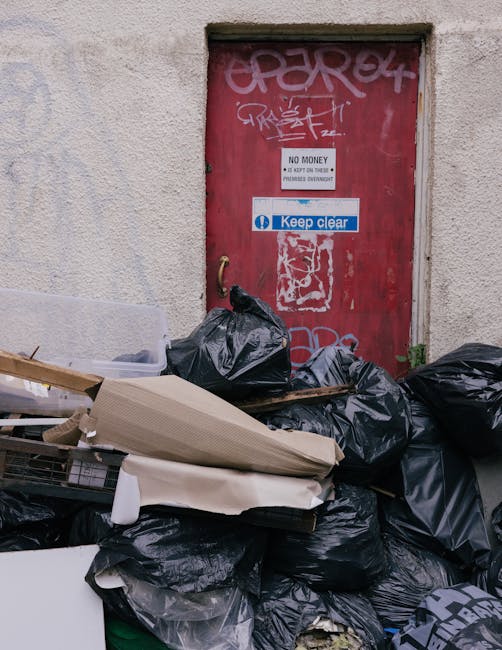
Trade waste rules for Erith businesses under Bexley: a practical guide for local firms
If you run a business in Erith, trade waste can feel oddly simple at first glance and then suddenly messy. One week it is a few bags of office rubbish, the next it is packaging, cardboard, old stock, and a broken chair that no one wants to claim. The rules around trade waste for Erith businesses under Bexley matter because the wrong setup can create avoidable costs, collection headaches, and compliance problems. This guide walks you through what the rules mean in practice, how they usually work for local businesses, and the sensible steps that keep everything tidy, lawful, and far less stressful.
It is written for real-world use: shop owners, offices, landlords, tradespeople, cafes, small warehouses, and anyone who wants a clearer picture of what to do next. No fluff. Just the bits that help you make a good decision.
Expert summary: The safest approach is to separate business waste from domestic waste, use a properly arranged collection route, keep records in order, and choose a waste solution that fits the type and volume of material you produce. Simple enough on paper. In real life, it works best when someone owns the process.
For businesses handling mixed rubbish, office clear-outs, or bulky items, services such as business waste removal, office clearance, and general waste removal can make the process much more manageable, especially when space is tight and time is short.
Table of contents
- Why trade waste rules for Erith businesses under Bexley matter
- How trade waste rules work in practice
- Key benefits and practical advantages
- Who this is for and when it makes sense
- Step-by-step guidance
- Expert tips for better results
- Common mistakes to avoid
- Tools, resources and recommendations
- Law, compliance, standards, and best practice
- Options, methods, and comparison table
- Case study or real-world example
- Practical checklist
- Conclusion
- Frequently asked questions
Why trade waste rules for Erith businesses under Bexley matter
Trade waste is not just "stuff going in a bin". It is waste produced by a business, and that changes the expectations around collection, handling, and responsibility. In a place like Erith, where you have a mix of high-street units, light industrial sites, offices, and home-based businesses, the variety of waste streams can be wider than people expect. Cardboard from stock deliveries, food waste from a cafe, construction offcuts, office paper, old fixtures, and broken furniture all need different handling.
Why does that matter so much? Because once waste crosses into the business category, you cannot treat it like an ordinary domestic tidy-up. If you put out commercial rubbish without the right arrangements, you may run into avoidable issues with collections, storage, contamination, or duty-of-care questions. And to be fair, most businesses only need a straightforward system, not a lecture. They need a process that works on a rainy Tuesday afternoon when the back room is full and the skip is already packed.
Erith businesses also tend to work with limited yard space or tight access. That makes good waste planning more than a nice-to-have. A poor setup quickly creates clutter, fire risk, and unpleasant odours, especially with mixed waste or packaging left standing around for too long. By contrast, a clean, regular route for business waste keeps operations moving and avoids that awful "we'll deal with it later" pile that somehow becomes a permanent feature.
If your business generates larger volumes or heavier loads, it may be worth comparing dedicated collection options with a broader clearance service. For example, a project involving old desks, filing cabinets, and mixed office junk may suit office clearance, while a shop refit or landlord job might lean toward furniture disposal or furniture clearance.
How trade waste rules for Erith businesses under Bexley work in practice
The basic idea is simple: businesses are expected to manage their own commercial waste properly. In practice, that usually means arranging a lawful collection, keeping waste separated where needed, and making sure the person taking it away is suitable for the job. You do not want your waste ending up mixed with someone else's or dumped somewhere it should never have been. That part is non-negotiable.
Most businesses work through a few practical stages. First, they identify what kind of waste they produce. Then they work out how often it appears, how much space it takes, and whether it can be stored safely before collection. After that, they choose a collection method that suits the site and the waste type. For some, that is a routine commercial collection. For others, it is a one-off clearance after an office move, refit, or stock reduction.
Mixed waste often needs the most thought. Clean cardboard may be easy to separate, but once it becomes contaminated with food, liquids, or building dust, it may no longer be suitable for the same handling route. That is where a bit of sorting up front saves time later. Honestly, the sorting tray or extra bin you ignore today is usually the one you wish you had tomorrow.
On the operational side, collection planning usually works best when waste is:
- separated by material type where possible
- kept dry and secure before pickup
- stored so it does not block staff movement or exits
- labelled or grouped clearly if several waste streams are produced
- removed on a schedule that matches actual business activity
For businesses with repeated furniture turnover or workplace changes, it can help to link your waste plan with other clearance needs. A premises refresh may involve builders waste clearance for refurbishment debris, or house clearance and home clearance services where a landlord or property owner is dealing with mixed items from a commercial-residential setting. It sounds a bit niche, but these mixed scenarios happen more often than people think.
Key benefits and practical advantages
When trade waste is handled properly, the benefits show up in the day-to-day running of the business, not just in compliance paperwork. You get cleaner premises, fewer storage problems, and less chance of that awkward "where did we put this?" moment during an inspection, move, or client visit.
Some of the clearest advantages include:
- Better organisation: Waste stops building up in corners, corridors, and service areas.
- Lower risk of contamination: Separating materials makes recycling and disposal simpler.
- Improved safety: Clear walkways and exits reduce trip and fire risks.
- More predictable costs: A planned collection route is usually easier to budget for than emergency removal.
- Less staff frustration: Nobody enjoys working around overflowing bins, let's be honest.
- Cleaner customer impression: This matters for shops, salons, cafes, and customer-facing offices.
There is also a quiet advantage that people often miss: waste discipline tends to improve the whole site. Once a team knows where things go, they usually handle stock, fixtures, and daily cleaning more carefully too. It sounds small. It isn't.
For firms that want a broader clearance and recycling approach, the pages on recycling and sustainability and pricing and quotes are useful starting points when you are deciding whether to focus on regular collections, one-off removal, or a mix of both.
Who this is for and when it makes sense
Trade waste planning matters for a wider group than many business owners expect. If your business produces any waste from commercial activity, this is relevant to you. That can include a single-person consultancy with old paperwork and packaging, or a larger premises with daily deliveries and material offcuts.
Typical Erith businesses that need a clear trade waste approach include:
- offices and shared workspaces
- shops and retail units
- cafes, takeaways, and hospitality venues
- trades and contractors
- landlords and letting agents managing commercial or mixed-use properties
- warehouses and storage units
- salons, clinics, and service businesses
It also makes sense when you are facing a one-off situation rather than an ongoing collection. Maybe you are clearing out old stock before a move. Maybe the office is downsizing. Maybe a back room has become, in the nicest possible way, a bit of a treasure cave of obsolete gear. Those moments are exactly when a focused clearance can save you several hours and a lot of back strain.
If your business is in a small unit or upstairs space, the logistics matter even more. Stairs, narrow access, and parking restrictions can turn a simple job into a half-day drama. In those cases, a service that can handle the lifting and removal for you is often the sensible route.
Step-by-step guidance
Here is a practical way to get trade waste under control without overcomplicating it.
- Identify every waste stream. Write down what your business throws away in a normal week. Include packaging, office waste, food waste, furniture, fixtures, and any special items.
- Separate reusable, recyclable, and residual waste. Even a basic sorting system makes collections cleaner and cheaper to manage.
- Check storage space. Make sure bins or holding areas do not block entrances, exits, loading points, or fire routes.
- Match the collection method to the waste volume. A small office may need occasional removal, while a busy premises may need a routine arrangement.
- Choose a provider or service model. Look for a solution that fits your waste type, access, timing, and expected load.
- Document the process. Keep a simple record of what is collected, when, and by whom. That habit pays off later.
- Review every few months. Waste patterns change. A business expansion, new product line, or refit can alter the whole picture.
A small example: a design studio in Erith might start with mostly paper waste and packaging, then suddenly begin receiving sample materials, broken shelving, and packaging from bulk deliveries. What worked in January may not work by April. The best systems flex a bit rather than breaking apart the moment demand changes.
If your site is also dealing with bulky furniture or office fit-out debris, it helps to align collection with services such as flat clearance for smaller mixed premises, garage clearance for storage-heavy stock overflow, or loft clearance where upper-floor storage has become, frankly, a bit of a maze.
Expert tips for better results
Experience says the smoothest waste systems are not the fanciest ones. They are the ones that are easiest for staff to follow on a busy day.
Here are a few practical tips that really do help:
- Keep the number of waste points small. Too many bins create confusion. Three clear zones often work better than six vaguely labelled ones.
- Use clear labels. "Paper", "cardboard", "general waste", and "bulky items" are clearer than clever internal nicknames no one remembers.
- Place bins where waste is created. If staff have to walk across the building to dispose of packaging, the system will drift.
- Do a quick weekly waste walk-through. Two minutes with a clipboard or phone note can spot issues before they become costly.
- Protect clean recyclables from contamination. A dry cardboard stack is easy to manage; the same stack after a coffee spill is not.
- Plan around delivery days. Waste volume often spikes after restocking, so timing matters more than people think.
One more tip, and this is a small one but useful: keep a spare area for odd items. Every workplace gets the awkward bits - a broken monitor, a shelf bracket, a torn box of cables, the sort of thing no one quite knows what to do with. Having a temporary holding spot stops them wandering around the site like misplaced props.
For businesses that care about responsible handling and the wider environmental side of disposal, recycling and sustainability is a good reference point to align collection habits with cleaner outcomes.
Common mistakes to avoid
The mistakes are usually not dramatic. They are small, repeated, and surprisingly expensive over time. That is the annoying part.
- Mixing business waste with household waste: It blurs responsibility and can cause avoidable collection problems.
- Leaving waste in access routes: This creates safety issues and can frustrate staff and visitors alike.
- Ignoring waste type: A one-size-fits-all approach often leads to contamination and poor recycling rates.
- Forgetting bulky items: Chairs, shelving, old furniture, and broken fixtures need planning too.
- Not reviewing collections after a change in trading: Seasonal demand, promotions, and refits can all alter waste output.
- Relying on verbal arrangements only: Put the process in writing, even if it is just an internal note.
The most common real-world error? Waiting until the bins are overflowing and then trying to solve everything in one afternoon. The smell, the mess, the urgency... it never feels quite as neat as the plan on Monday morning.
If your business is replacing furniture, storing old stock, or clearing out an entire room, the services on furniture disposal and furniture clearance can be more practical than trying to handle bulky pieces piecemeal.
Tools, resources and recommendations
You do not need a complicated toolkit to manage trade waste well. You need a simple system that your team can actually use. That is the real trick.
Useful tools and resources for an Erith business include:
- Waste log: a simple spreadsheet or notebook with dates, waste types, and collection notes
- Bin labels: large, clear labels that match the way staff talk about the waste
- Storage checklist: a weekly check for access, contamination, and overflow
- Fit-for-purpose collection plan: routine collection for steady waste, one-off clearance for project-based waste
- Staff briefing note: short internal guidance on what goes where and who to ask
For businesses comparing a few different clearance needs, it may help to review services by scenario rather than by waste type alone. For example, a workplace moving out of a converted property could need home clearance style support for mixed domestic-style contents, while a contractor clearing a site office may need builders waste clearance for rubble, offcuts, and packaging. The right match saves time, which is usually the point.
If you want to understand the company's broader approach before booking anything, pages such as about us, insurance and safety, and health and safety policy are useful trust-building reads.
Law, compliance, standards, and best practice
Because trade waste involves business responsibility, compliance should be taken seriously, but not turned into a mystery novel. The practical standard is straightforward: keep waste under control, use a legitimate collection route, and do not assume someone will "just take it away" without the right arrangements.
In the UK, businesses are generally expected to take care with how their waste is stored, transferred, and documented. The exact requirements depend on the waste type and the circumstances, so it is wise to treat legal specifics carefully and seek suitable professional guidance where needed. What matters most for everyday business use is that the waste does not become a nuisance, a hazard, or an unmanaged liability.
Good practice usually includes:
- clear separation of waste streams where practical
- secure storage before collection
- safe lifting and handling for bulky items
- records that show a sensible transfer and collection process
- careful handling of any items that may contain confidential material or special disposal needs
For offices, data-bearing items and old paperwork may need extra care before removal. For contractors, waste from fit-out or refurbishment often needs to be separated more thoughtfully than people expect. And for mixed sites, especially where office and storage space overlap, the line between "general rubbish" and "commercial waste" can get muddy fast. That is exactly why a calm, documented process helps.
If you are reading this because you are sorting a mixed premises and not sure where to start, it is absolutely normal. Most businesses do not need to become waste experts. They just need a reliable system and a provider who understands local reality.
Options, methods, and comparison table
There is no single best method for every Erith business. The right option depends on how much waste you produce, how often it appears, and whether you are dealing with routine rubbish or a one-off clear-out.
| Option | Best for | Advantages | Watch-outs |
|---|---|---|---|
| Routine commercial collections | Businesses with steady ongoing waste | Predictable, regular, easy to budget for | May be unnecessary if waste volume is low or seasonal |
| One-off trade waste clearance | Moves, refits, stock changes, clean-outs | Fast, flexible, suited to bulky or mixed items | Needs careful planning if access is tight |
| Mixed waste sorting on site | Businesses producing varied waste streams | Better recycling potential, cleaner handling | Requires staff buy-in and clear labels |
| Bulky-item focused removal | Furniture, fixtures, and old fittings | Ideal for awkward or heavy items | Not always enough if there is also loose trade waste |
As a rule of thumb, routine collections suit stable operations, while one-off clearance suits change. A business that is trading normally every week and producing the same waste pattern should not overcomplicate things. A premises halfway through a redesign absolutely should. Different jobs, different answers. Simple as that.
For a more practical route, some businesses pair trade waste planning with related clearance support. A trading office may use office clearance for desks and fixtures, then book business waste removal for ongoing waste control. That combination often works better than trying to force one service to do everything.
Case study or real-world example
A local office in Erith was preparing to reduce staff space and clear out a back room that had become a storage catch-all. Nothing dramatic, just the usual accumulation: broken chairs, old paperwork boxes, printer packaging, a couple of shelves nobody wanted to admit had been there for years, and a heavy cabinet that seemed to shrink only in the imagination.
At first, the team thought they only needed a general bin uplift. Once they looked properly, though, it became clear the waste was mixed. Some items could be separated for recycling. Others were bulky and needed lifting support. A few items were not worth keeping in the building another week, especially with staff still moving through the area daily.
The practical fix was simple: group the materials, remove the light waste first, then clear the bulky items in one planned visit. The result was a tidier workspace, easier access, and far less disruption than trying to do it bit by bit over several days. The team also realised the back room had been slowing people down for months. It is funny how a cluttered corner can quietly affect the whole office mood.
That kind of job is exactly where a service-based approach works well. The business gets a clearer site, less handling hassle, and a more sensible route for the waste. Nobody had to turn into a bin expert. Thankfully.
Practical checklist
Use this checklist before arranging your next collection or clearance.
- Have you identified all waste types produced by the business?
- Are recyclable and non-recyclable items separated where possible?
- Is the storage area safe, dry, and easy to access?
- Are exits, walkways, and fire routes kept clear?
- Do you know whether the waste is routine, bulky, or a one-off clear-out?
- Have you checked whether furniture, fixtures, or packaging need special handling?
- Is there a record of when waste was removed and by whom?
- Have staff been told where items should go?
- Have you reviewed whether your collection schedule still fits current trading?
- Do you need support from a clearance service rather than a basic bin arrangement?
If you can tick most of these off, you are in decent shape. If not, that is fine too. It usually just means the system has outgrown the original setup.
For practical service details, the pages on pricing and quotes, payment and security, and terms and conditions can help you understand what to expect before booking anything.
Conclusion
Trade waste rules for Erith businesses under Bexley are not there to make life difficult. They exist to keep business premises safe, orderly, and responsibly managed. Once you strip away the jargon, the practical message is clear: know what waste you produce, store it properly, separate what you can, and use a collection method that suits the way your business actually works.
That is usually enough to solve most problems before they start. And if you are dealing with bulky furniture, office clutter, mixed materials, or a premises that is simply outgrowing its current setup, the right clearance support can take a lot of pressure off. Not every business needs a complex waste strategy. Most need a reliable one.
Get a free quote today and see how much you can save.
When the right system is in place, the whole site feels lighter. Cleaner. Easier to work in. That's a good place to be.
Frequently Asked Questions
What counts as trade waste for an Erith business?
Trade waste is any waste produced by a business rather than by a household. That can include office paper, packaging, food waste, old furniture, stock removals, and refurbishment debris. If it comes from trading activity, treat it as business waste unless you are certain otherwise.
Can I put business rubbish in a normal domestic bin?
Usually, no. Business waste should be managed through an appropriate commercial or clearance route. Domestic bins are not designed for business disposal, and mixing the two can cause problems with collection and compliance.
Do small businesses in Erith still need to follow trade waste rules?
Yes. Even a small office, salon, or home-based business can produce trade waste. The scale may be smaller, but the responsibility is the same: keep it properly stored and arranged for lawful collection.
What is the easiest way to manage mixed waste at a business premises?
The easiest way is to separate what you can at source, label bins clearly, and schedule collections to match actual waste output. For bulky or awkward items, a one-off clearance is often simpler than trying to squeeze everything into a general collection.
How often should a business arrange waste collection?
That depends on how quickly waste builds up. A busy premises may need frequent collections, while a small office might only need occasional removal. The right schedule is the one that prevents overflow without paying for unnecessary visits.
What happens if waste is left piling up on site?
It can create hygiene issues, block walkways, increase fire risk, and make the workplace harder to use. It may also become harder to sort, more expensive to remove, and more awkward to handle safely.
Is trade waste the same as recycling?
No. Recycling is one part of waste management, but trade waste includes everything produced by the business. Some of it may be recyclable, some may not, and some may need special handling depending on the material.
Do furniture and office items count as trade waste?
Yes, if they come from a business. Old desks, chairs, shelving, and filing cabinets all fall under commercial waste when they are removed from business use. They often need a clearance service rather than a simple bin collection.
What should I do with bulky items from an office move?
Plan them separately. Bulky items are easier to handle when grouped in advance, especially if access is tight or the building has stairs. Services such as office clearance or furniture disposal are often more practical than leaving items for later.
How can I tell whether I need waste removal or a full clearance?
If the business produces regular waste, a routine waste removal arrangement may be enough. If you are clearing a room, moving premises, replacing furniture, or dealing with a mix of heavy items and loose rubbish, a clearance service is usually the better fit.
Are there safety issues linked to poor waste handling?
Yes. Poorly managed waste can create trip hazards, block exits, attract pests, and make lifting more dangerous. In busy workplaces, even one badly placed pile can cause unnecessary problems.
Where should I start if my current waste system is a mess?
Start by listing what waste you have, where it builds up, and how often it appears. Then decide whether the issue is a collection problem, a sorting problem, or a storage problem. Once you know that, the fix becomes much clearer.
Can I get help with both ongoing waste and one-off removals?
Yes. Many businesses need a mix of regular and occasional support. A steady waste stream may be handled differently from an office clear-out, builder's debris, or bulky furniture removal, and that is perfectly normal.
Is it worth reviewing my waste setup even if nothing has gone wrong yet?
Absolutely. The best time to improve a waste system is before it becomes a problem. A quick review can uncover wasted space, avoidable costs, or a collection pattern that no longer fits how your business works.